For Emergencies Dial
911
| For Non-Emergency Police Response
877-ASK-LAPD
(required):
Your LAPD
Find Your Local Police Station
Inside the LAPD
Join the LAPD
Community Safety Partnership Bureau
Medal of Valor, Purple Heart & Preservation of Life Awards
Constitutional Policing
Mission, Vision, Values
History of the LAPD
Officers Killed in the Line of Duty
LAPD Organization Chart
Strategic Plan 2021 to 2023
LAPD Store
Trademark & Licensing
Get Service
File a Police Report
Obtain a Traffic Collision Report
California Public Records Act
Fireworks Complaints
CCW Carry Concealed Weapon License
Request a Police Report (Victims Only)
Commend an Officer
Sites of Interest
FAQ’s
Undocumented Immigrants
File a Complaint
Crime Info
Crime Mapping & COMPSTAT
Criminal Homicide Victims
Missing Persons
Crime Prevention
Critical Incident Videos
Domestic Violence
Hate Crime Information
Human Trafficking
ID Theft
Bureau of Justice Statistics (BJS)
Most Wanted
Racial Profiling Act 2015 (RIPA)
Statistical Data
Traffic Info
Unsolved Murders of LAPD Officers
Get Involved
iWatch
Crime Stoppers
Reward Bulletin
iWatch
Volunteer
Neighborhood Watch
News
Newsroom
Critical Incident Videos
LAPD Up Close
LAPD TV
Contact
Search (required):
Hit enter to search or ESC to close
The Official Site of the Los Angeles Police Department
“to protect and to serve”
What are you looking for?
Commitment to Leadership
Service to Our Community
Integrity in All We Say and Do
Quality Through Continuous Improvement
Respect for People
Reverence for the Law
Message from Chief Dominic Choi
April 2024
QUICKLINKS
File a Police Report
Obtain a Traffic Collision Report
Crime Mapping
Reference Library
Police Commission
Most Wanted
NEWSROOM
EVENTS
Retail Taser Robberies NR24126cm/ma
04/17/2024
Fatal Hit-and-Run Leaves Pedestrian Dead NR24125ti/hg
04/17/2024
Organized Retail Crimes Task Force NR24124cm/dm
04/16/2024
Bomb Threat/Hate Crime Suspect Arrested NR24123dm
04/15/2024
Pedestrian Killed in Hit-and-Run Traffic Collision NR24122kt
04/15/2024
View All News Items
Apr
19
Battle of the Badges Blood Drive January 2024 – March 2024
All Day
No event found!
Join the Team
There are countless ways to help the LAPD do its job.
Explore How to Make a Difference
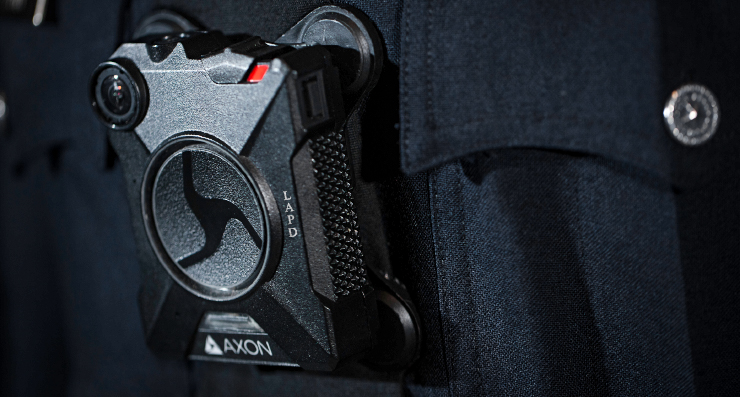
Critical Incident Videos
View publicly released video recordings that capture critical incidents involving LAPD officers.
Watch Critical Incident Videos
Life-Threatening Emergencies Only:
9-1-1
Non-Emergency Police Response:
1-877-ASK-LAPD
Email Questions & Comments:
contact.lapdonline@gmail.com
View All Contact Information